Manufacturing jobs are inching up while a study warns of a technician skills gap
Manufacturing employment is up 72,000 since a December low, per the BLS. A Deloitte and Manufacturing Institute study says technician jobs could grow six times faster than production work through 2030.
By James Mitchell ·
Why it matters: Factories are adding jobs while overall hiring is slow, and forecasts say the fastest-growing roles are technical ones like machinery mechanics.
For information only, not investment advice.
America's factories are hiring again, if slowly. Manufacturing employment rose by 9,000 in September, which the Bureau of Labor Statistics described as little changed, but the sector has added 72,000 jobs since a recent low in December 2025. That stands out in a month when the whole economy added just 29,000 jobs and the unemployment rate was 4.2%, little changed.
The September gains came in plastics and rubber products and in machinery manufacturing, about 5,000 each. Hours held steady too: the average factory workweek was unchanged at 40.6 hours, with overtime at 3.0 hours. Other gauges lean the same way. The number of unemployed manufacturing workers fell to 423,000 in September from 571,000 a year earlier, and August factory job openings rose nearly 26% year over year to 522,000, Manufacturing Dive reported, citing BLS data. The Institute for Supply Management's factory employment index rose to 52.7% in September, up 1.5 points from August, the outlet reported.
The jobs expected to grow need more training
The bigger shift is in which factory jobs are expected to grow. A September study by Deloitte and the Manufacturing Institute estimates that manufacturing technician employment could grow six times faster than production jobs between 2025 and 2030. The two groups say the specific skills needed for nearly half a million open technician roles have created a critical skills gap, and that employers may need to fill 2.3 million technician openings across manufacturing and related industries over the same period. Those are forecasts from an industry study, not head counts.
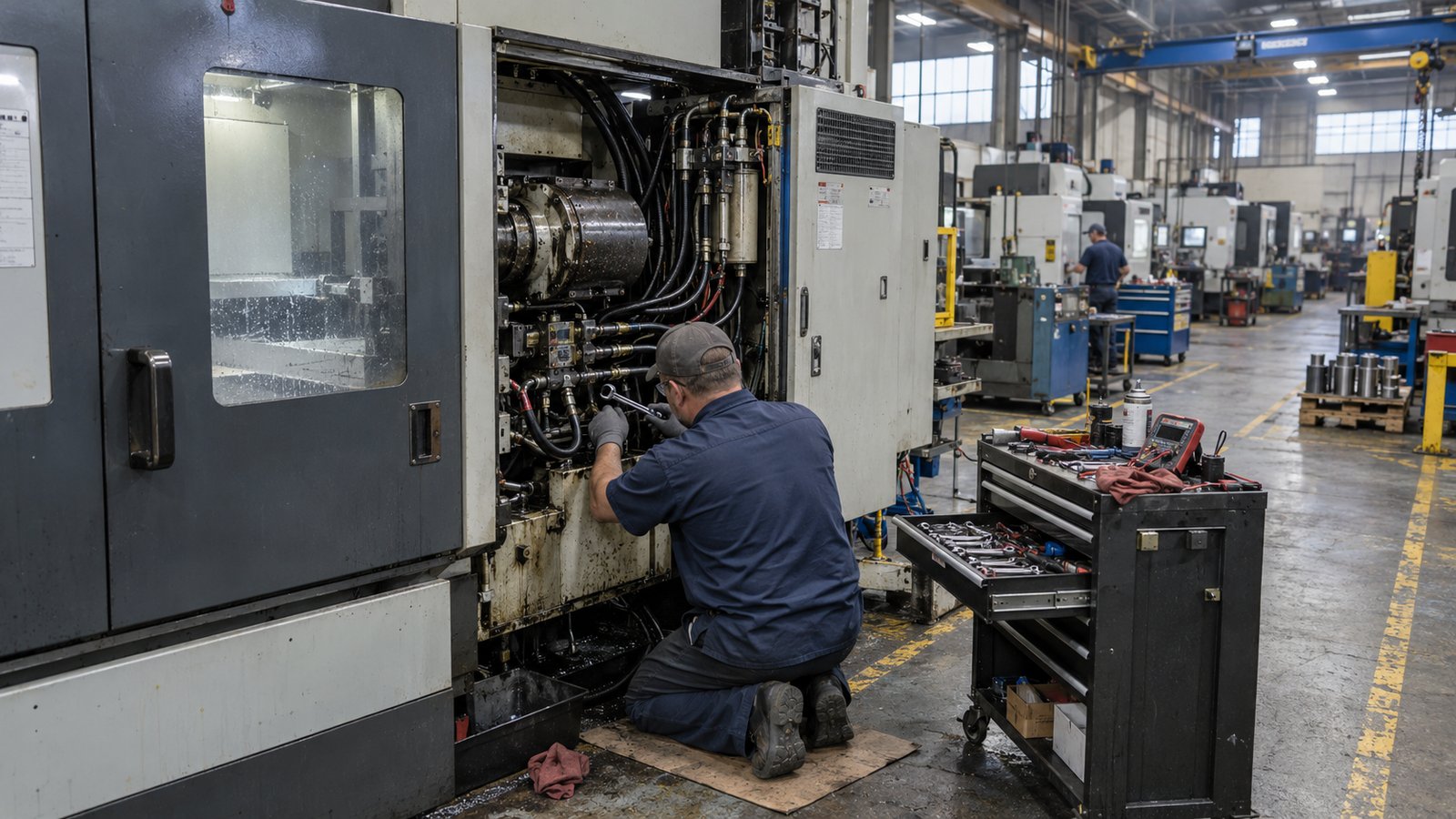
Government projections point in a similar direction. The BLS projects employment of industrial machinery mechanics, machinery maintenance workers and millwrights, the people who keep factory equipment running, to grow 14% from 2025 to 2035, much faster than average. Their median pay was $64,100 a year in May 2025.
The study's proposed fix leans on recruiting from next door, with help from AI. It identifies nearly 2 million technicians in adjacent industries whose skills may transfer to manufacturing. "AI has the potential to change not only how manufacturing work gets done, but how people prepare for and succeed in these critical roles," said Manufacturing Institute President Carolyn Lee.
What to watch
Read the monthly numbers with some patience. The September report itself cut overall payroll gains for July and August by a combined 60,000, and none of the data ties this year's factory hiring directly to automation. Scott Paul, president of the Alliance for American Manufacturing, an industry-labor advocacy group, put the trend down to factory investment: "Even though factory construction has cooled a bit since its peak, that investment is converting into job opportunities, and it should continue to do so for years to come." The next read on whether the factory trend holds comes with the October jobs report, due Nov. 6 at 8:30 a.m. ET.
Sources
- Employment Situation Summary - 2026 M09 Results, U.S. Bureau of Labor Statistics
- Manufacturing industry adds 9K jobs in September, Manufacturing Dive
- Industrial Machinery Mechanics, Machinery Maintenance Workers, and Millwrights, U.S. Bureau of Labor Statistics (Occupational Outlook Handbook)
- Deloitte and MI Study Shows Potential for AI to Accelerate Manufacturing Skills Training, Deloitte and the Manufacturing Institute
Tags: jobs · ai